Losing a tooth can make it very hard to chew your food easily or smile with confidence. When an empty space is left open, your other teeth can slowly move out of line and cause bite problems. A trusted dental clinic Brampton patients rely on can help prevent these issues early.
Fixing this gap quickly is the best way to keep your mouth straight and your jaw working smoothly. Choosing between a fixed porcelain bridge and a dental implant is the most common choice patients face.
Let us look at how these two treatments compare so you can choose the best path for your mouth.
What Are The Main Differences Between These Two Options?
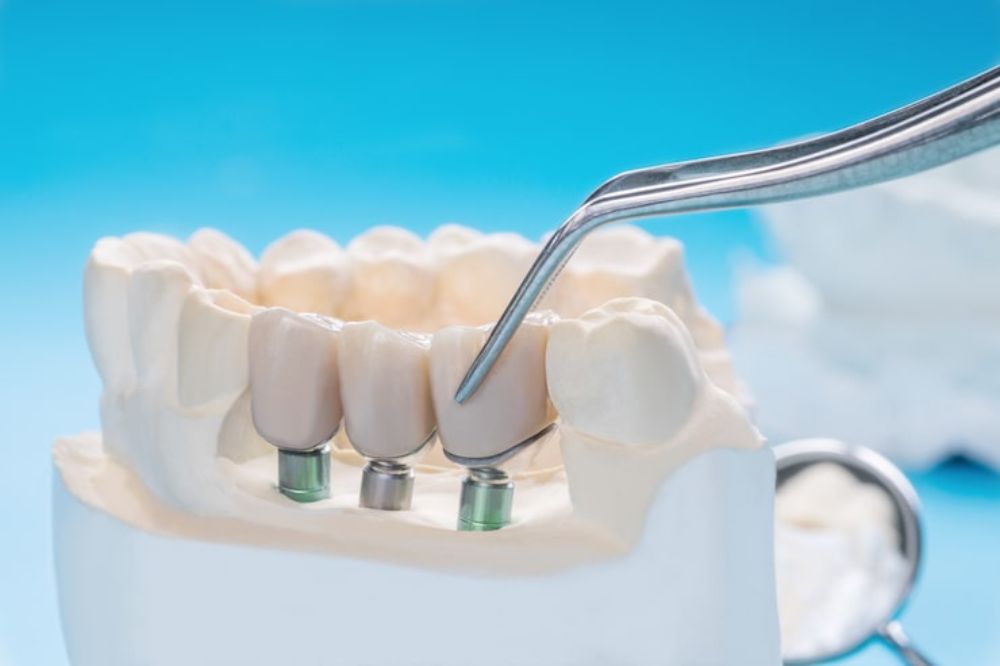
- Bridge Support System – A bridge uses your remaining healthy teeth on both sides of the gap as anchors to hold a custom fake tooth in place.
- Implant Support System – An implant uses a small metal screw placed directly into your jawbone to act like a real tooth root.
- Impact on Nearby Teeth – Bridges require trimming down the outer layer of healthy neighboring teeth, while implants leave surrounding teeth completely untouched.
- Making Your Final Choice – Deciding between a bridge and an implant for missing teeth depends heavily on your bone health and budget.
How The Treatment Steps And Timelines Compare
- Bridge Treatment Speed – Getting a bridge is very fast and usually takes only two quick dental clinic visits spread over a couple of weeks.
- Implant Healing Time – Implants require a minor surgical procedure followed by a few months of waiting for the bone to grow tightly around the screw.
- Temporary Tooth Options – Bridge patients wear a simple plastic temporary tooth, while implant patients often wear a removable plastic tooth during the healing weeks.
- Finding Local Treatment – Booking a visit for dental bridges in Brampton, ON, lets you complete your smile repair quickly without long wait times.
Comparing Fixed Bridges And Dental Implants For Tooth Replacement
| Feature of the Smile Fix | Fixed Porcelain Bridge Option | Single Dental Implant Option |
| Total Treatment Time | Fast completion within two to three weeks total | Takes three to six months for total bone healing |
| Surgical Work Needed | No bone surgery is required for placement | Requires a minor surgical procedure in the jawbone |
| Protecting the Jawbone | Does not stop the empty jawbone area from shrinking | Naturally stimulates the bone to keep it thick and strong |
| Upfront Financial Cost | More affordable initial cost for families | Higher initial investment for the surgical parts |
Understanding How Long Your New Tooth Will Last
- Average Material Lifespan – Knowing how long dental bridges last helps you plan, as they typically last 5 to 15 years.
- Implant Longevity Rates – A dental implant screw is designed to remain permanently in your jawbone, though the top cap may need to be replaced later.
- Daily Wear and Tear – Bridges experience heavy pressure across the joined caps, which can slowly stress the anchor teeth.
- Replacement Needs – Eventually, the dental glue under a bridge can wear out, requiring the piece to be cleaned and re-glued by a professional.
Habits To Keep Your New Replacement Tooth Completely Clean
- Use a Floss Threader – Slide a thin plastic threader under the fake porcelain bridge tooth every night to remove trapped food particles.
- Brush the Base Gently – Clean the area where the porcelain meets your gumline with a soft toothbrush to prevent gum swelling.
- Avoid Super Hard Foods – Do not chew on ice cubes, hard candies, or metal pen caps, as they could crack the porcelain shell.
- Getting Quality Local Care – Visiting a trusted team for dental bridges near you ensures that your replacement parts are checked and cleaned safely twice a year.
How Your Bone Structure Affects Your Choices
- Checking Bone Thickness – Implants require a thick, strong layer of healthy jawbone to hold the metal post securely in place.
- Bypassing Weak Bone Areas – If you have lost bone from a long-lost tooth, a bridge can span across the gap without needing extra bone grafts.
- Preventing Future Shifting – Both treatments effectively prevent your surrounding teeth from tilting or twisting into the open spaces.
- Maintaining Face Structure – Implants keep your jawbone active, while a bridge replaces the visible tooth and allows the underlying bone to slowly shrink over time.
Reclaim Your Strong Bite And Beautiful Smile Today
Fixing the gaps in your mouth with a custom dental restoration is the absolute best way to protect your oral health and smile with total confidence.
At McVean Dental, our welcoming team uses a very gentle touch and advanced tools to make your tooth replacement process smooth, fast, and completely stress-free. We are fully dedicated to providing reliable solutions that bring back your natural biting power and keep your surrounding teeth perfectly straight.
You deserve a complete, healthy smile that lets you enjoy your favorite foods and speak clearly without any hidden worries.
Call our dental clinic right now to book your consultation visit, reach out today and let us help you get started!
FAQs
Does getting a bridge hurt more than getting an implant?
No. Both treatments are usually comfortable because the dentist numbs the area before starting. Implants may cause mild soreness for a few days after the procedure, while bridges may only cause slight tooth sensitivity.
Can I get an implant later if my bridge wears out?
Yes. In many cases, you can later replace a bridge with an implant. Some patients may need a bone graft first if the jawbone has become thinner over time.
How do I clean a bridge or an implant?
An implant can be cleaned like a natural tooth with brushing and flossing. A bridge needs extra cleaning underneath the false tooth using special floss or a floss threader.
Why does insurance cover bridges more often than implants?
Many insurance plans consider bridges a basic tooth replacement option. Implants are often considered a more advanced treatment so that insurance may cover a smaller share of the cost.